Everyday English Phrases for Shopping and Dining
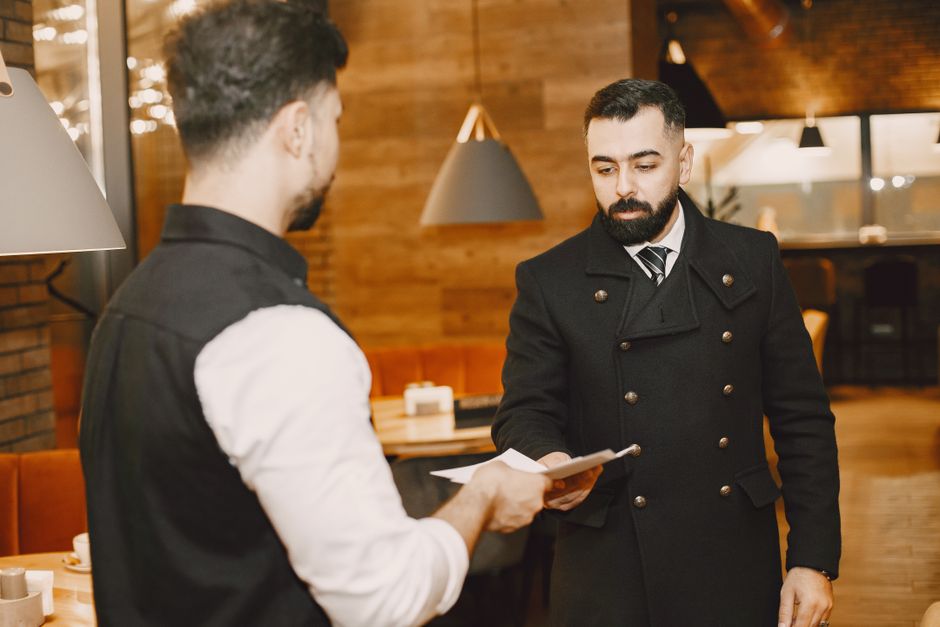
Navigating everyday situations in English, such as shopping and dining, often involves a specific set of phrases and polite expressions. For individuals learning English as a second language, or those looking to refine their conversational skills, having a repertoire of common phrases can facilitate smoother interactions. These scenarios typically require a balance of clarity, politeness, and cultural awareness, especially in the United States where service interactions often follow informal yet courteous patterns. Understanding the typical structure of these exchanges can help learners anticipate responses and participate more actively.
This article outlines practical phrases for shopping and dining contexts. It covers essential language for asking about prices, placing orders, and making reservations. The focus is on providing functional phrases that can be adapted to various situations, from casual cafes to formal restaurants and retail stores. By familiarizing oneself with these expressions, learners can build confidence and communicate more effectively during daily activities. The phrases presented are standard in American English and are intended to serve as a foundation for real-life practice.
It is important to note that language use varies by region, setting, and individual speaker. The phrases here are examples and may be adjusted based on context. Additionally, cultural norms around politeness and directness can influence how these phrases are perceived. Learners are encouraged to observe and adapt to the specific environments they encounter. With practice, these expressions can become natural tools for navigating shopping and dining experiences.
Essential Phrases for Shopping Interactions
Shopping in the United States often involves a series of standard questions and responses. When entering a store, a sales associate might greet you with “Can I help you find anything?” or “Are you looking for something in particular?” A common response is “I’m just browsing, thank you” if you prefer to look around independently. If you need assistance, you might say, “Yes, I’m looking for [item].” This direct approach is generally appreciated and leads to efficient help. It’s also common to ask, “Do you have this in a different size/color?” or “Where can I find [product]?” These questions help locate items quickly.
When it comes to pricing, phrases like “How much does this cost?” or “What’s the price on this?” are straightforward. If an item is not marked, you can ask, “Could you check the price for me?” In many stores, prices are fixed, but at markets or flea markets, bargaining might be acceptable. A polite way to negotiate is “Is there any flexibility on the price?” or “Would you consider a lower price?” However, in most retail settings, prices are non-negotiable. At checkout, you might hear “Will that be all?” or “Did you find everything you needed?” Respond with “Yes, that’s all, thanks” or “I’m all set.” Payment methods are often queried with “Cash or card?” and you can reply accordingly.
Returns and exchanges are also common shopping topics. If you need to return an item, you might say, “I’d like to return this, please.” The associate may ask, “Do you have the receipt?” or “Was there a problem with the item?” You can explain, “It didn’t fit” or “It’s defective.” Exchanges follow a similar pattern: “Can I exchange this for a different size?” Understanding these phrases can make shopping experiences more predictable and less stressful. Additionally, phrases like “I’m just looking” or “I’ll think about it” are useful when you don’t want to commit to a purchase immediately.
Dining Out: Ordering Food and Drinks
Dining in American restaurants typically begins with a greeting from the host or hostess, such as “How many in your party?” or “Do you have a reservation?” If you don’t have a reservation, you might say, “No, we don’t. Do you have a table available?” Once seated, a server will often introduce themselves and ask, “Can I get you something to drink?” or “Would you like to start with an appetizer?” Common responses include “I’ll have a [beverage]” or “Just water, please.” When ordering food, phrases like “I’d like the [dish]” or “Could I get the [dish]?” are polite and clear. If you have dietary restrictions, you might ask, “Does this contain [allergen]?” or “Is this dish vegetarian?”
During the meal, servers may check in with “How is everything?” or “Can I get you anything else?” A simple “Everything’s great, thanks” or “No, I’m fine for now” suffices. If you need something, you can say, “Could we get some more bread, please?” or “Excuse me, can we have the check?” When finished, the server might ask, “Would you like any dessert?” or “Can I take your plate?” To request the bill, you can say, “Could we have the check, please?” or “We’re ready for the bill.” Tipping is customary in the U.S., and it’s common to leave 15-20% of the pre-tax total for good service. Phrases like “Keep the change” or “The service was excellent” are appreciated.
At fast-food or counter-service restaurants, the interaction is more streamlined. You might hear “Hi, what can I get for you?” or “For here or to go?” Order with “I’ll have a [item]” and specify “For here” or “To go.” If you need condiments, ask, “Can I get extra ketchup?” Payment is often immediate, and you may be given a number or asked to wait for your order. Phrases like “I’m waiting for my order” or “Is this mine?” can be useful. In coffee shops, the barista might ask, “What can I get started for you?” and you can reply with your drink order, such as “A medium latte, please.” Understanding these phrases can reduce anxiety and make the experience more enjoyable.
Making Reservations and Handling Special Requests
Making a reservation over the phone or online requires specific phrases. When calling, you might say, “I’d like to make a reservation for [number] people on [date] at [time].” The host may ask for your name and phone number. If the time is unavailable, they might offer alternatives: “We’re fully booked at 7, but we have 8:30 available.” You can respond, “8:30 works, thank you.” Online reservation platforms often have similar fields, but knowing the spoken phrases helps in phone interactions. For special requests, such as a table by the window or a high chair for a child, you can ask, “Could we have a table by the window?” or “Do you have high chairs?” These requests are usually accommodated if possible.
If you need to cancel or modify a reservation, phrases like “I need to cancel my reservation for tonight” or “Can I change my reservation to [new time]?” are direct. It’s polite to give as much notice as possible. For large groups, you might ask, “Do you take reservations for parties of [number]?” or “Is there a private room available?” Additionally, if you have dietary restrictions, you can mention them when making the reservation: “I have a gluten allergy; can you accommodate that?” This allows the restaurant to prepare. Phrases like “We’re running late” or “We’ll be there in 10 minutes” are helpful if you’re delayed.
Reservations are not only for fine dining; many casual restaurants also accept them. The phrases remain similar, though the formality may vary. At a hotel restaurant, for example, you might say, “I’d like to book a table for two at 7 PM.” If you’re unsure, you can ask, “Do you take walk-ins?” or “How long is the wait?” Understanding these options can help you plan your evening. Remember that reservation policies differ, so it’s always good to confirm details. Phrases like “Please confirm my reservation” or “Can I get a confirmation number?” ensure clarity.
Polite Expressions and Cultural Tips for Smooth Interactions
Politeness is key in American service interactions. Words like “please,” “thank you,” and “excuse me” are used frequently. For example, instead of “Give me the menu,” say “Could I see the menu, please?” Instead of “Where’s the restroom?” ask “Excuse me, could you tell me where the restroom is?” These small adjustments make requests more courteous. Additionally, when someone helps you, a simple “Thank you” or “I appreciate it” is expected. If you don’t understand something, “Could you repeat that, please?” or “I’m sorry, I didn’t catch that” are polite ways to ask for clarification. It’s also common to greet staff with a smile and a “Hello” or “Good morning.”
Cultural norms in the U.S. include maintaining a reasonable distance, making eye contact, and using a friendly tone. In shopping, it’s typical to say “Excuse me” to get an associate’s attention, rather than shouting or waving. In dining, it’s considered polite to wait until everyone is served before eating, and to place your napkin on your lap. Tipping is not optional; it’s a customary part of dining out. Phrases like “The service was great, thank you” are often said as you leave. Also, if you’re unhappy with something, it’s acceptable to politely mention it: “I’m sorry, but this isn’t what I ordered.” Resolving issues calmly is appreciated.
Another aspect is small talk. Servers or cashiers might engage in brief conversation, such as “How’s your day going?” or “Any plans for the weekend?” A short, friendly response like “Good, thanks, and you?” is sufficient. You don’t need to share personal details. When leaving a store or restaurant, phrases like “Have a good day” or “Thanks, you too” are common. These exchanges are not mandatory but contribute to a pleasant atmosphere. Being aware of these nuances can enhance your confidence and make interactions more natural. Ultimately, the goal is to communicate clearly and respectfully, and these phrases provide a solid starting point.